

Emerald 101: How to Pick a Real One
May is emerald month. And every May, our gemstone specialists get the same question: Is this one real?
The answer is yes. We do not sell synthetics. But that question has a longer story behind it, because most people have only ever seen emeralds in two places: under glass in a museum, or under fluorescent light in a mall. Both versions are misleading.
A real emerald is one of the rarest things on earth that fits on your hand. It is also one of the easiest to fake. Below, the three things our gemologists check before saying yes to a stone.
1. Look for the jardin
Inside every real emerald, there is a small garden.
The French word jardin describes the network of inclusions, fractures, and tiny mineral formations that grow inside the stone over the millions of years it took to form. Synthetic emeralds, grown in a lab, are too clean. They have no jardin. They look perfect, and that is exactly the problem.
When we examine an emerald at JJ, the first thing we do is hold it under a 10x loupe. If we see crystal clarity with no internal life, we walk away. If we see a small living world inside the stone, we keep looking.

2. Check the saturation
Color is where most fakes fail.
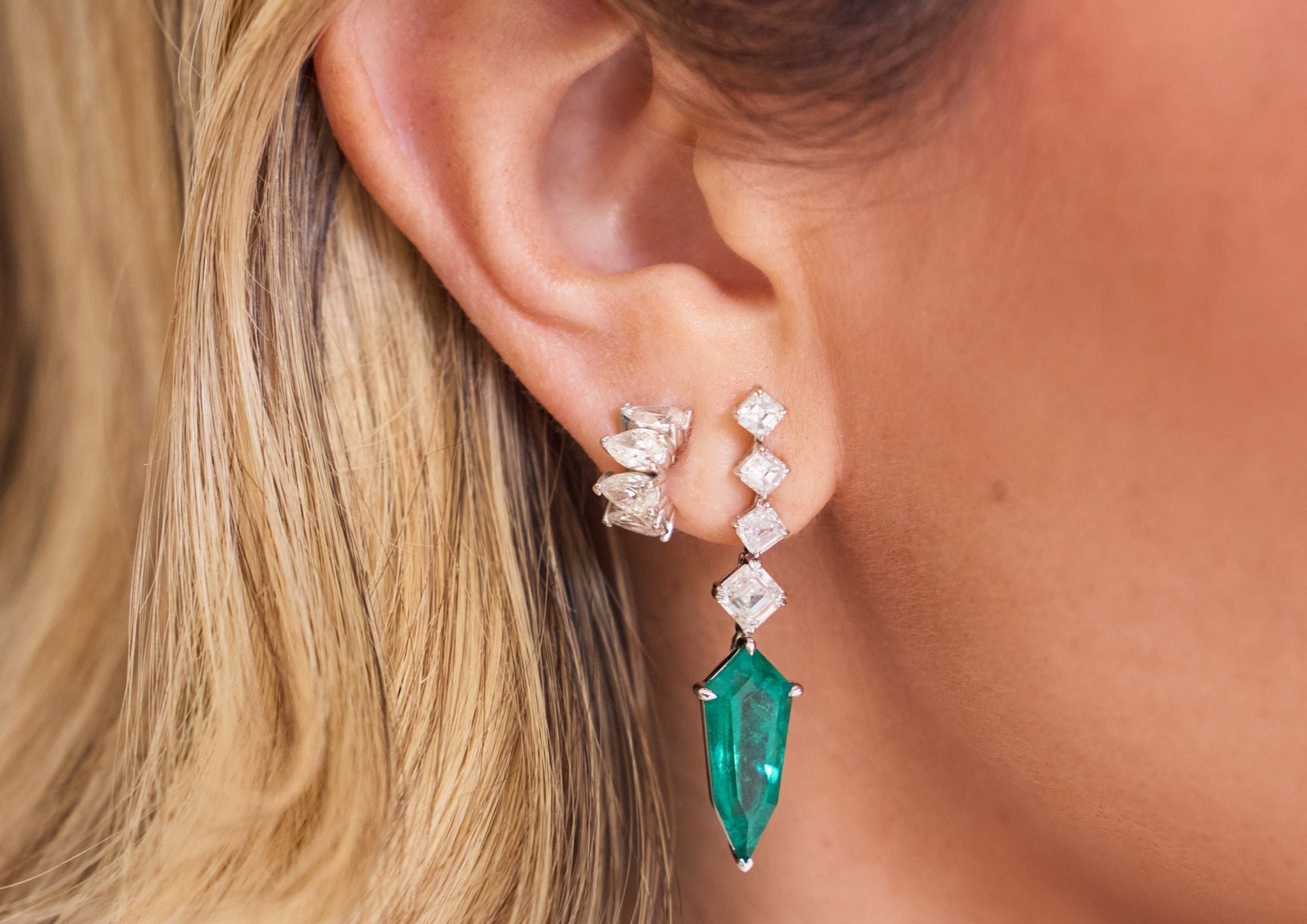
A real Colombian emerald, the gold standard of emeralds, has a deep green with a slight blue undertone. The saturation should feel rich without going dark. The tone should feel alive, not flat.
Synthetics tend to fall into two extremes. Either too light (a pale, watery green) or too dark (a green that looks almost black under low light). Neither is what you want.
A useful test: hold the stone next to a piece of grass. A real emerald will look richer than the grass. A synthetic will often look brighter, almost neon.

3. Hold it under a single bulb
Diamonds catch every angle of light. Emeralds do not. They glow.
A real emerald, held under a single warm bulb, will reveal a soft inner light. The stone seems to absorb the light first, then release it slowly. Glass imitations and synthetic stones tend to flatten under the same conditions. They reflect what is on the surface but show nothing inside.
This is why emeralds look so different in jewelry stores than they do at home. Most stores use cool fluorescent overhead lighting, which kills the glow. The first time you see a real emerald in soft natural light, you understand why people have collected them for four thousand years.
The emeralds we would buy ourselves
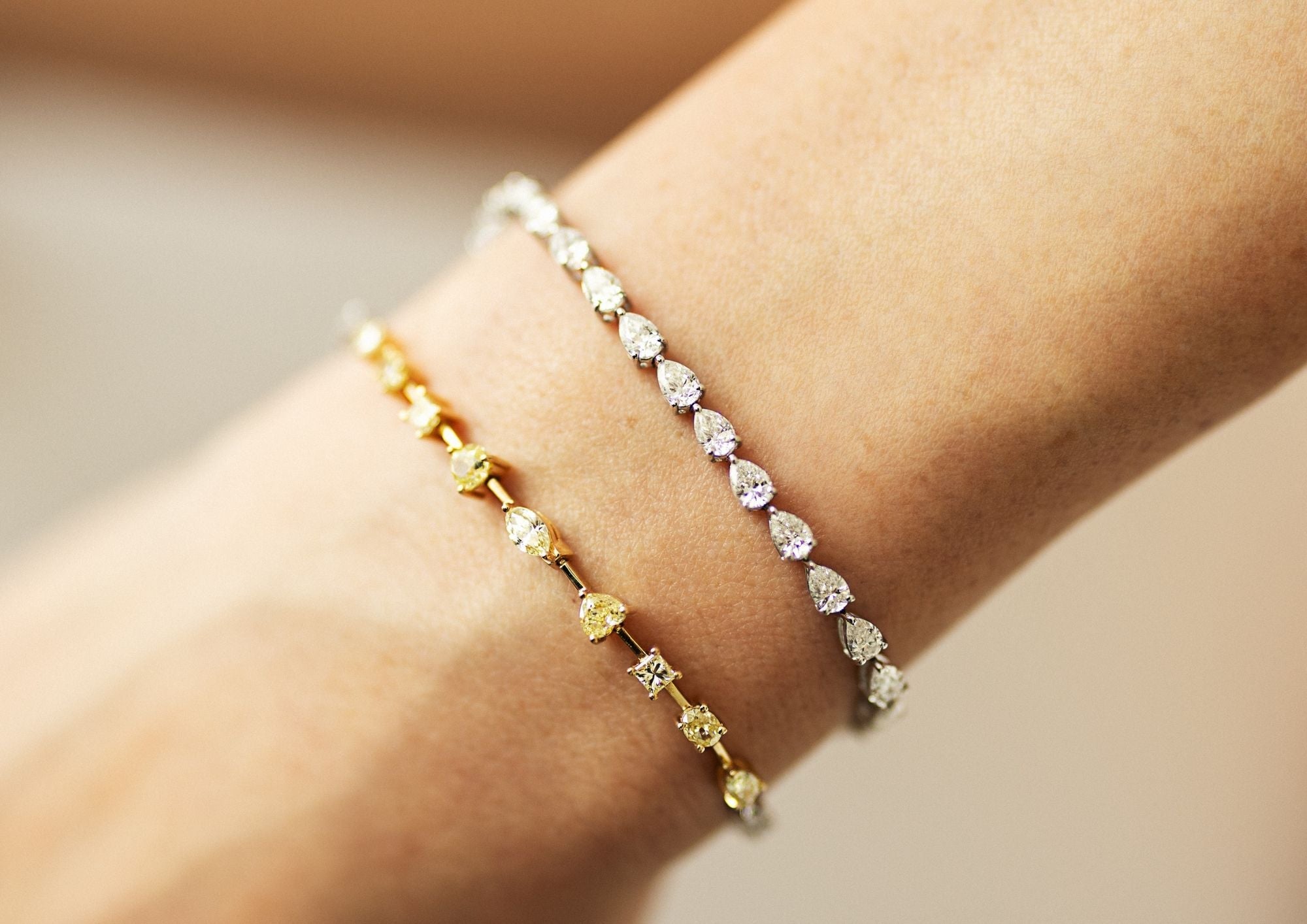
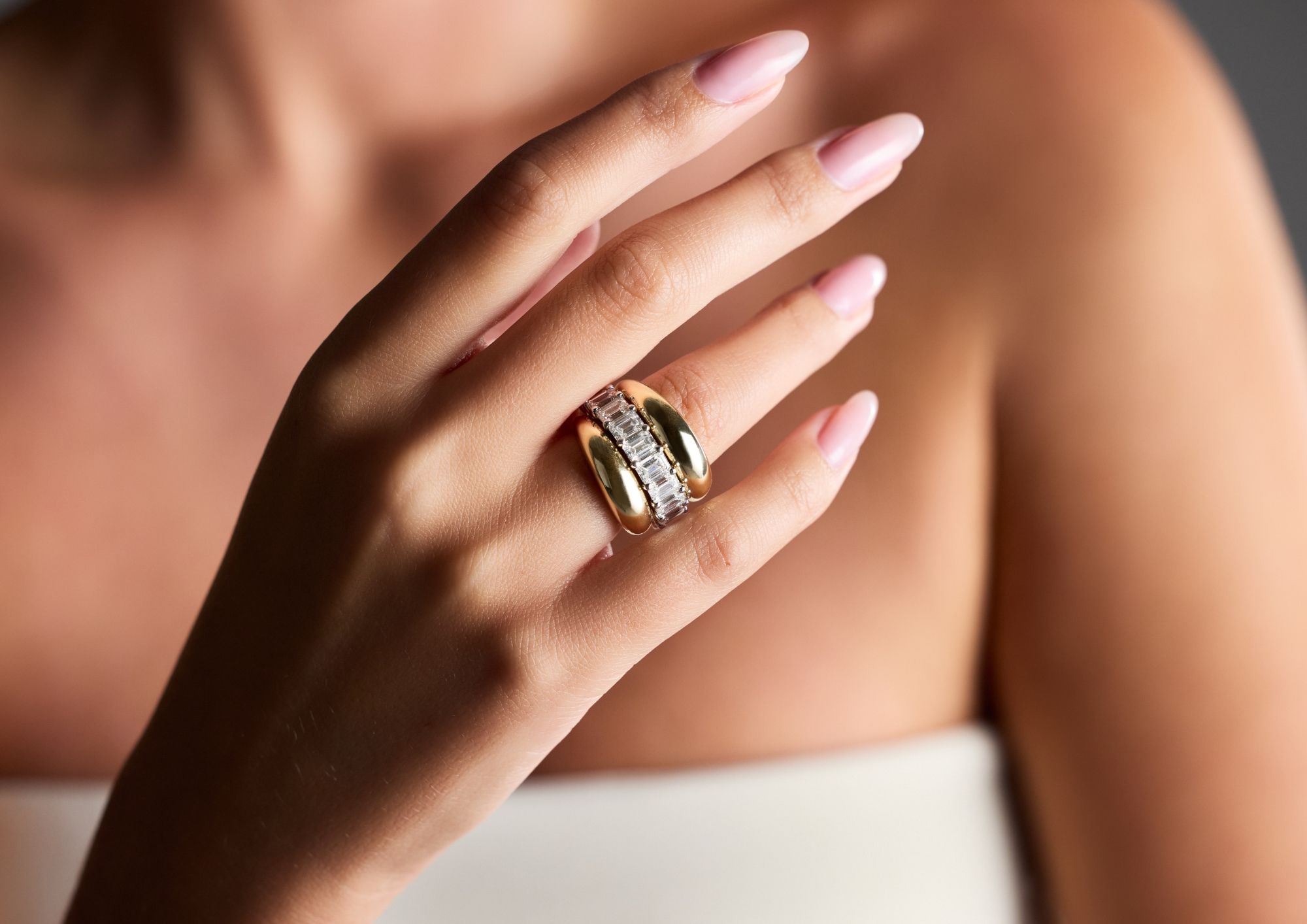
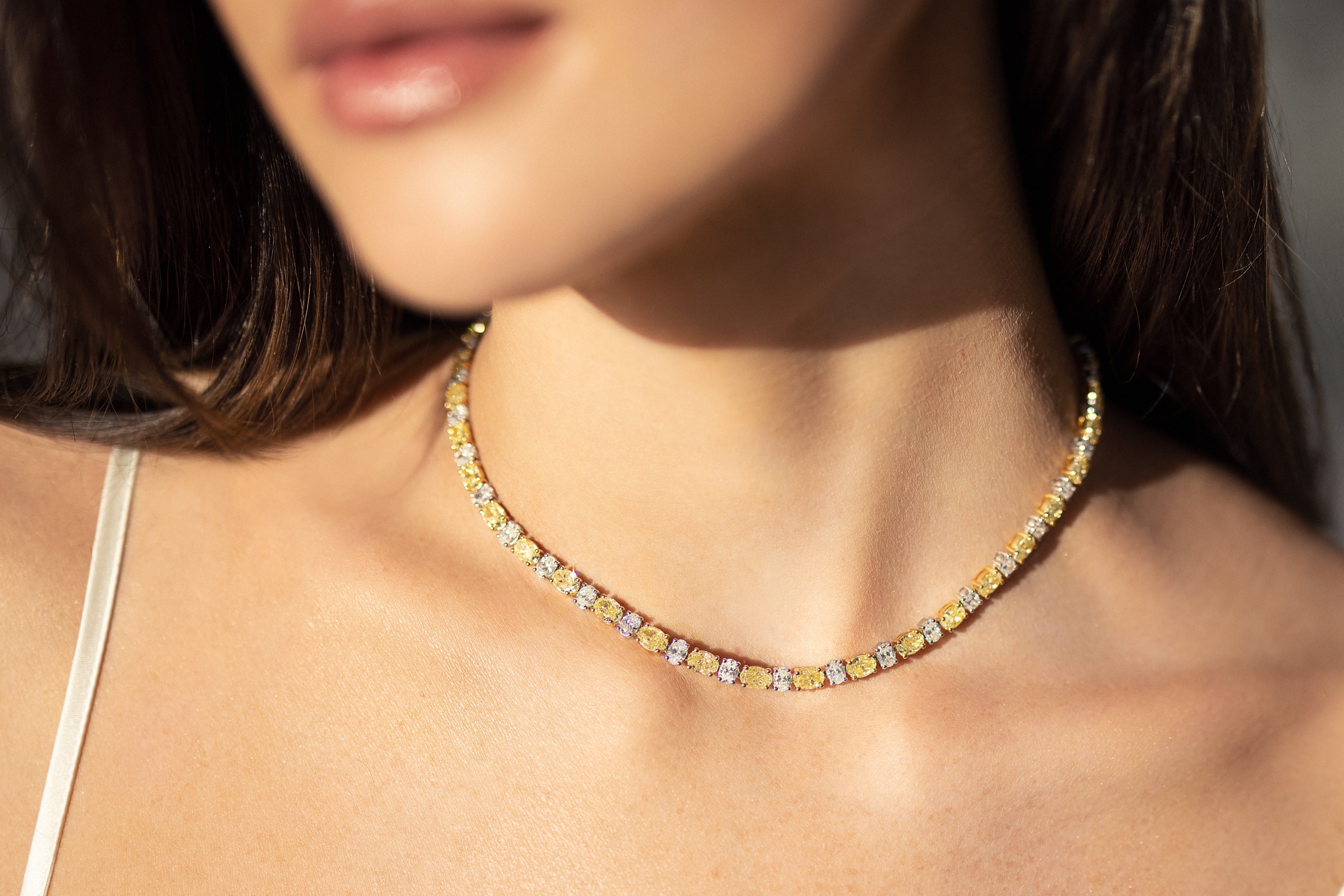
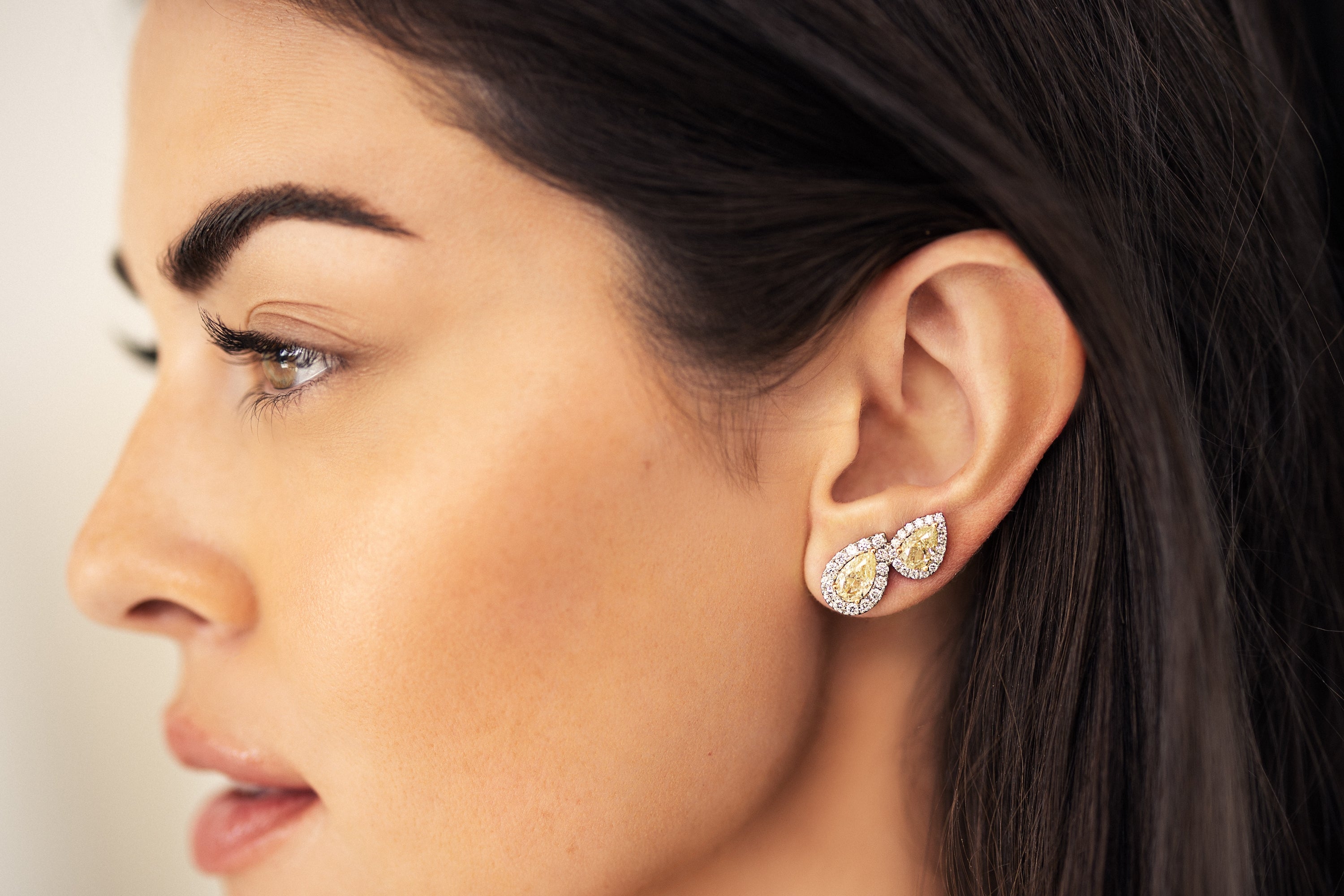
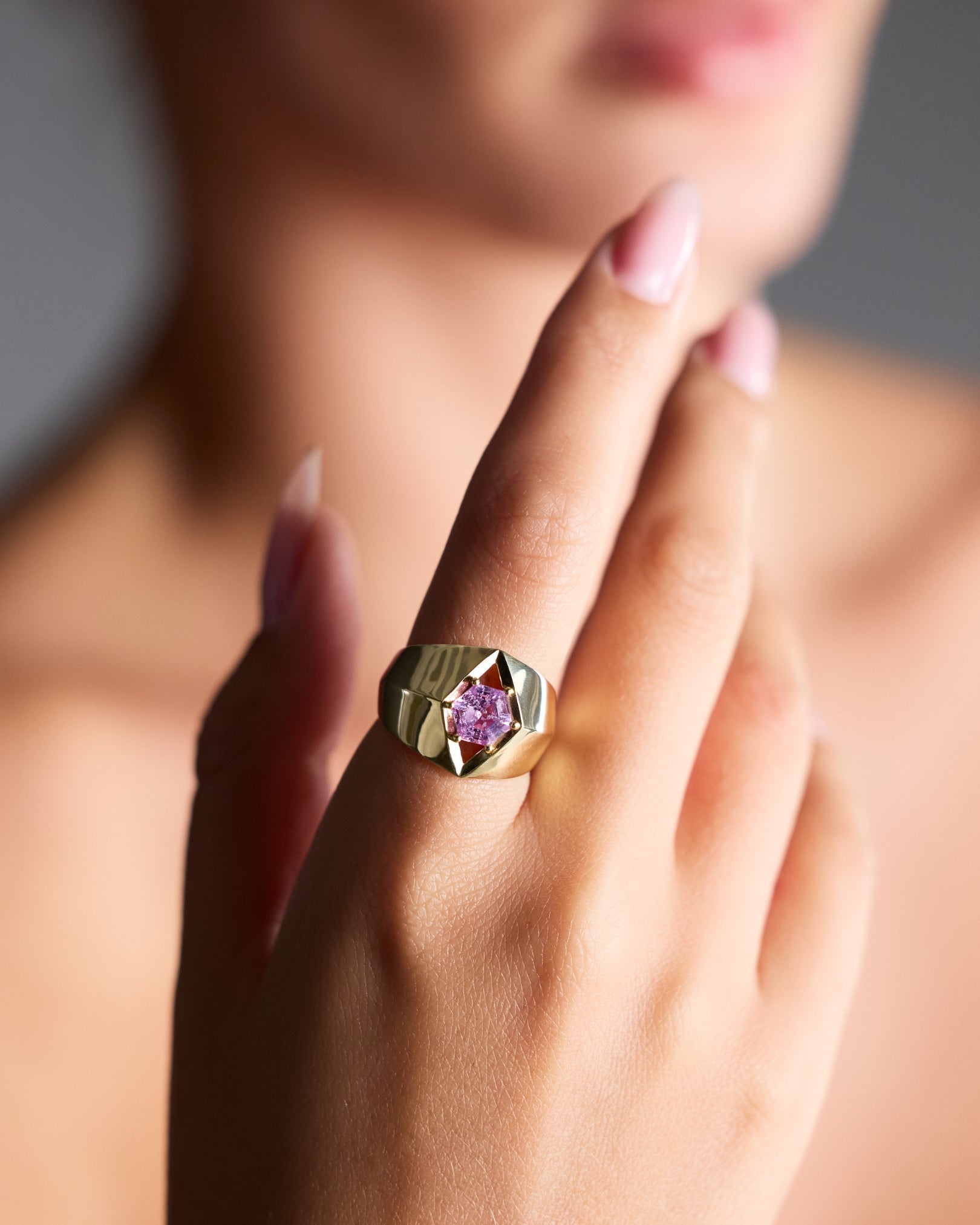
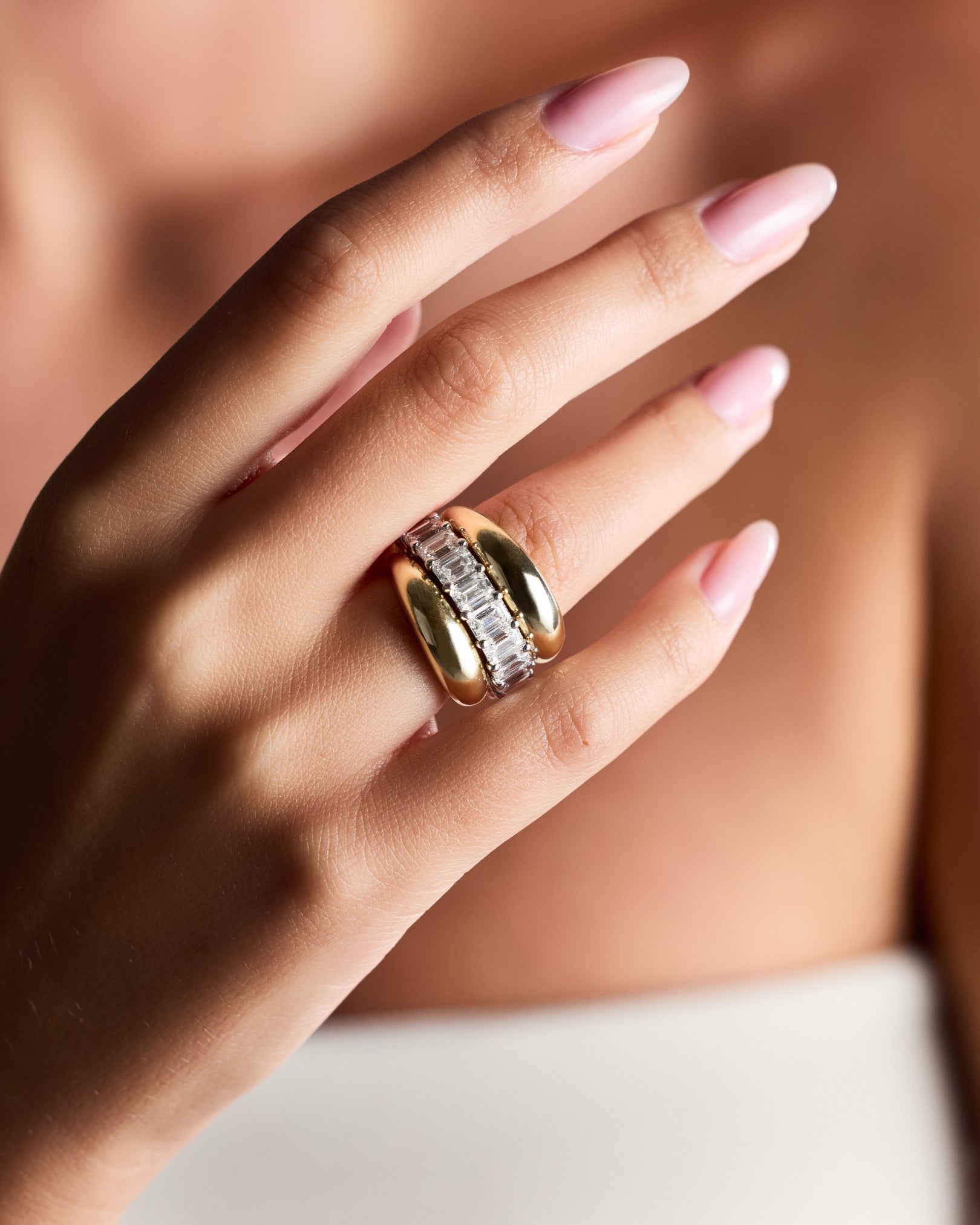
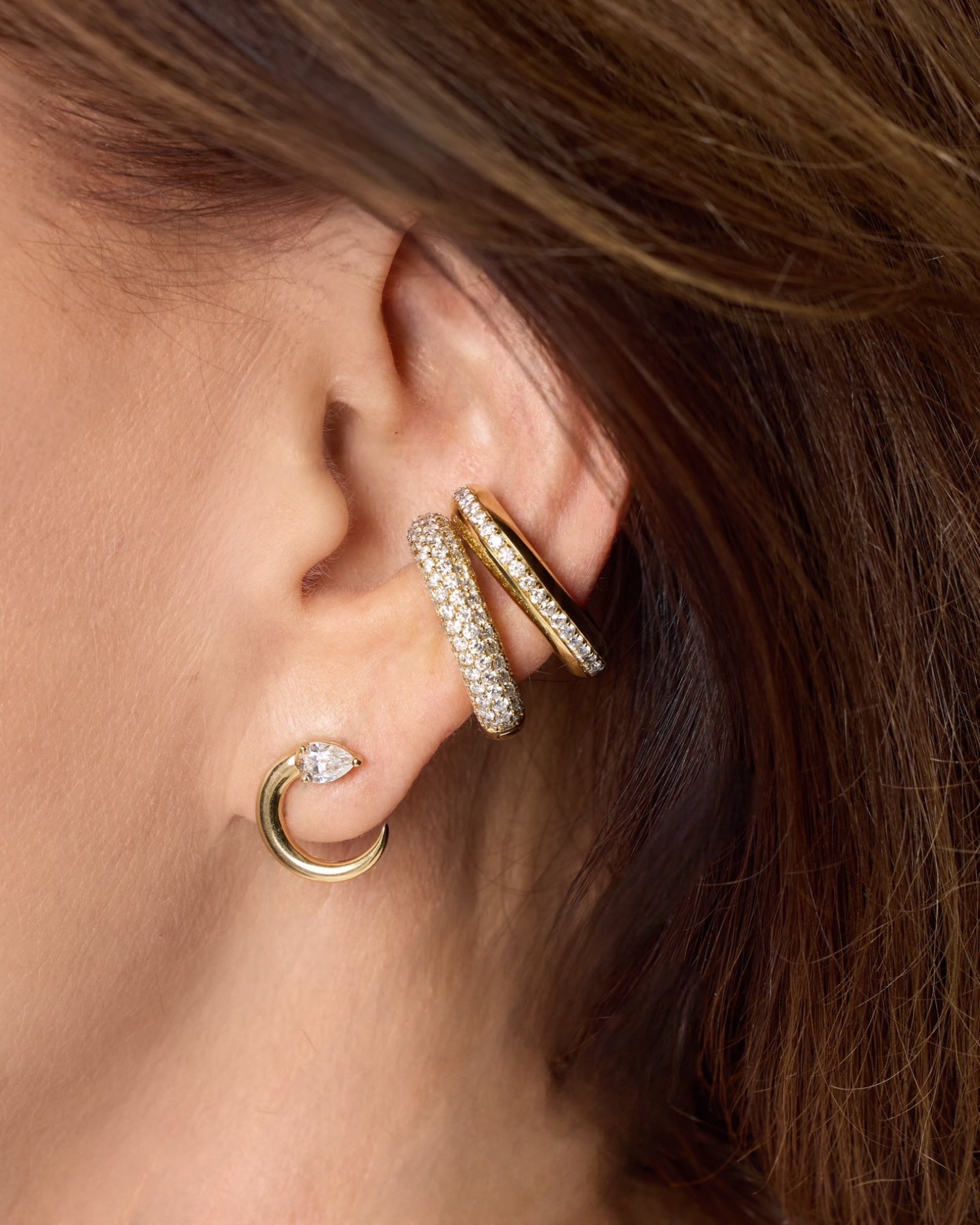
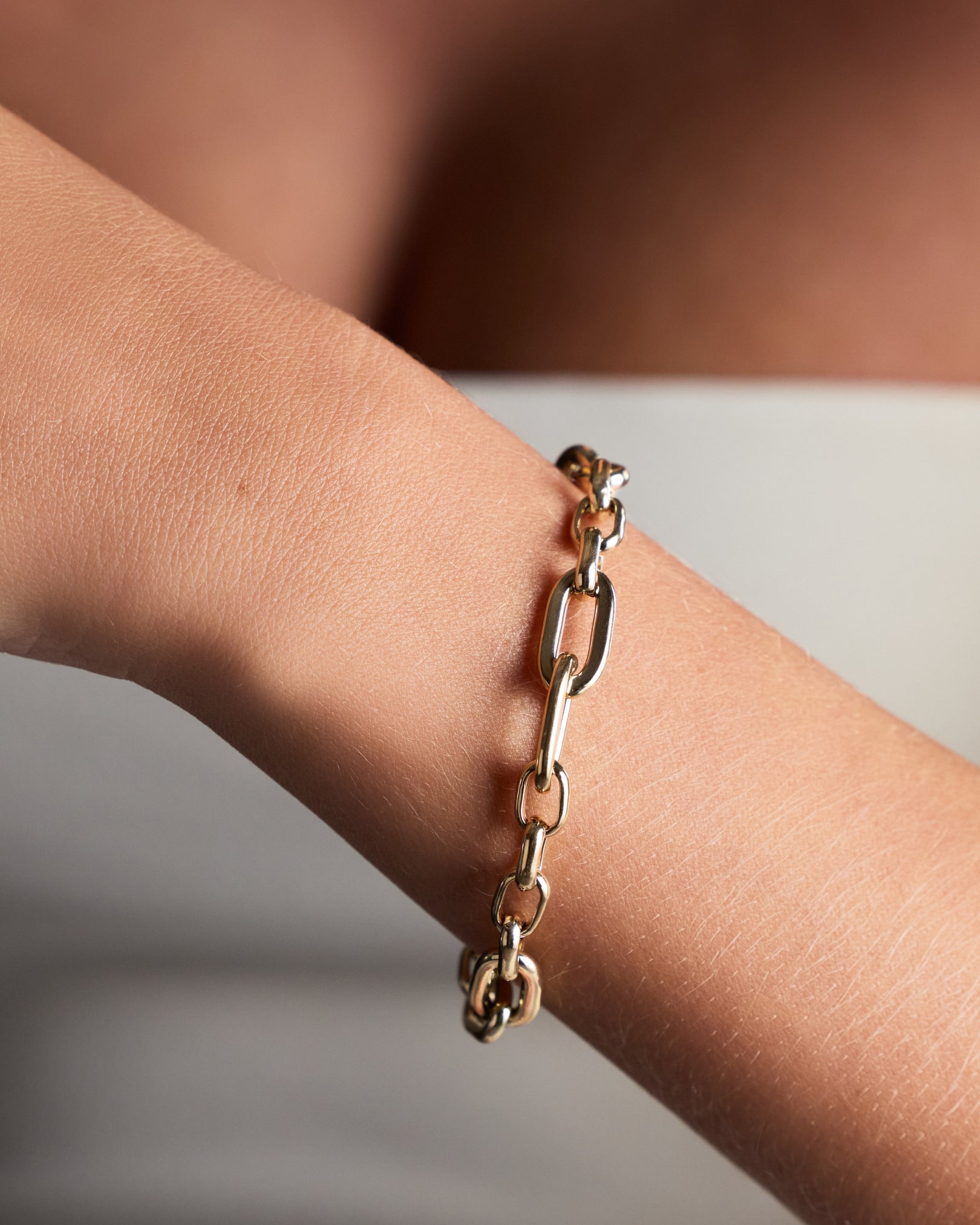
Our gemologists picked these from the JJ collection. Each has a real Colombian or Brazilian origin, and the saturation we look for.


What about the price?
Real emeralds vary by origin, size, clarity, and cut. The pieces above range from under $2,000 to nearly $30,000. The difference is not always size. It is the jardin, the saturation, the cut, and where the stone came from.
A two-carat Colombian emerald with the right color can cost more than a three-carat synthetic. The reason is simple: there are millions of synthetic emeralds in circulation, and only a few thousand Colombian emeralds of jewelry-grade quality are mined every year.
If you are buying your first emerald, our advice is the same as our advice for diamonds. Buy the best version of the smaller piece. A great emerald in a small setting will last longer in your collection than a mediocre stone in a large one.
Want to see one in person?
The truth about emeralds is that they look better in real life than in photos. The jardin, the saturation, the way they glow under warm light, none of it photographs accurately.
If you are in Miami or planning to visit, book a private appointment at our showroom. Our gemologists will pull stones for you, walk you through what to look for, and you can see the difference yourself.
If you are not in Miami, every piece in our Emerald Edit ships with free insured 2-day delivery, a full GIA certification where applicable, and a 30-day return window.
May is emerald month. We hope you find one worth keeping.